
Penguin editorial / 2026-07-26
A Corporate Event Run of Show for Hong Kong SMEs
Build a practical event-day run of show with clear owners, production cues, handovers, rehearsal points and contingency decisions your Hong Kong team can use.
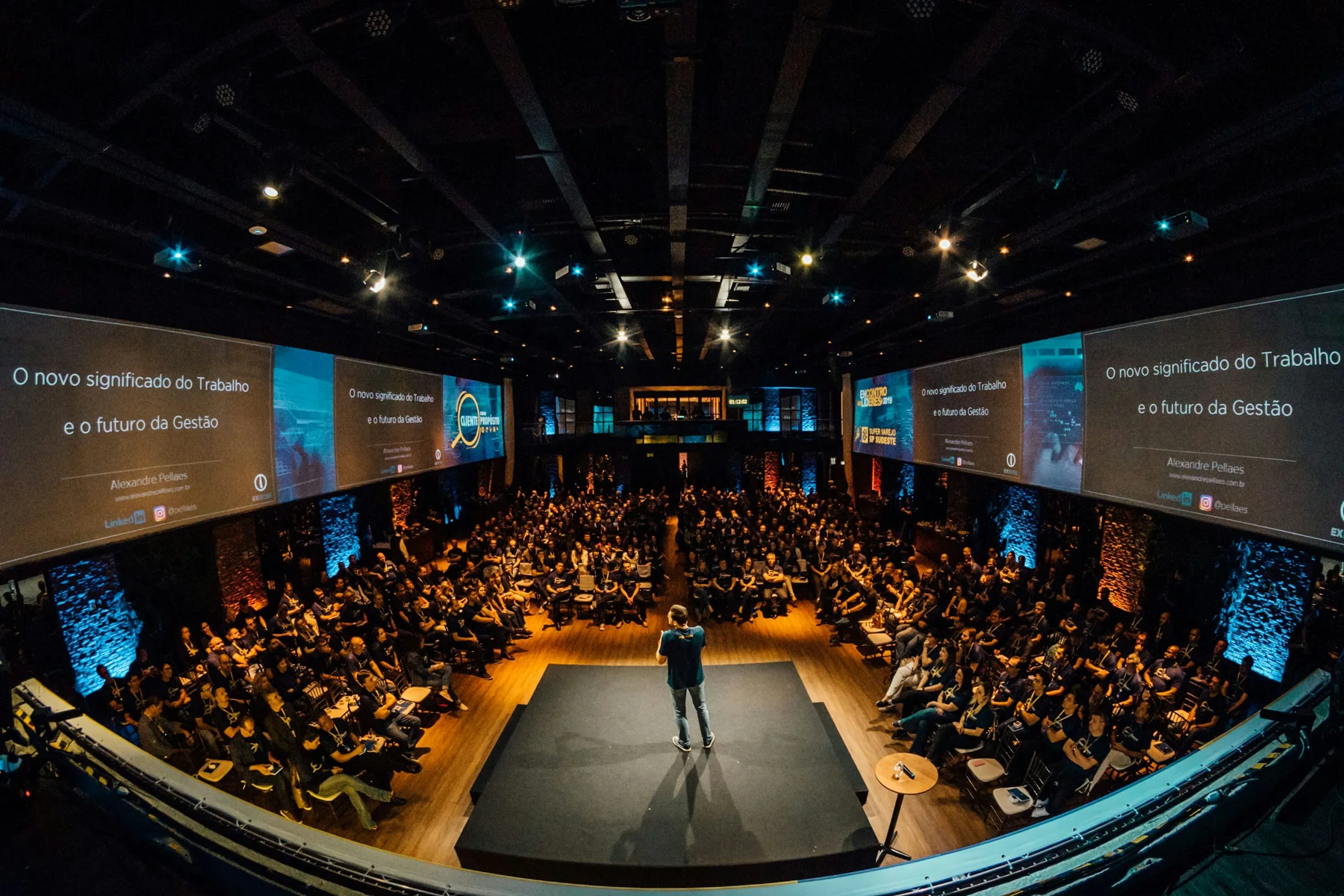
A corporate event run of show turns an attendee-facing agenda into an operating plan: what happens, when, who owns it and what cue starts the next action. For a small team, it should remove ambiguity at handovers between speakers, venue staff and production crew.
Set up the working document
Start with the event name, date, venue and version date so the team can identify the current copy. Give each line a start and finish time, segment or action, owner, cue or dependency, and a short note on location or equipment. Name a person, not just a department, wherever possible. A run of show complements the public agenda: attendees need the programme, while the team needs backstage actions. Events.com explains the distinction in its overview.
Confirm the sequence with speakers, venue and production contacts, including access, setup and equipment arrangements. Verify inclusions rather than assuming a facility is supplied; give unresolved items an owner and deadline.
Illustrative run of show
This illustrative afternoon programme is not a recommended duration; adjust it to venue access, programme and supplier arrangements.
- 12:30–13:15 — Room and registration setup. Event lead checks the room against the agreed layout; registration lead places guest materials; production lead checks sound, screen and playback. Each lead confirms readiness to the event lead.
- 13:15–13:30 — Team briefing and technical check. Confirm the team contact channel and late-arrival process; test microphones and presentation files. Production reports issues before doors.
- 13:30 — Doors open. Registration welcomes guests and discreetly flags VIP or access requests. Event lead gives production the agreed “ready” cue.
- 14:00 — Welcome and housekeeping. Once host is present and stage ready, production brings up the opening slide and microphone.
- 14:08 — Speaker presentation. Host introduces speaker; production advances slides on the agreed cue. Event lead gives a discreet timing warning.
- 14:35 — Questions and transition. Moderator takes over; assigned staff handle audience microphones. Host explains the next step when questions close.
- 14:50 — Networking and close. Host gives final directions; event lead confirms follow-up and departure arrangements.
- 15:15 — Room handback. Team checks materials and confirms room handback with the venue contact.
Allow time for exits, handovers and guest movement. Georgia Tech’s event checklist highlights venue access, AV checks and clear roles.
Make cues and contingencies usable
A cue should state who acts and what triggers the action. “Play video” is incomplete unless the operator knows whether to start on the host’s words, a hand signal or another agreed cue. Specify a fallback: if playback fails, the host skips the clip and moves to the next prepared point. Agree decisions in advance; do not improvise technical or safety procedures in the document.
Assign a decision-maker for schedule changes and named contacts for speakers, venue, registration and production. Record who can shorten a segment and how all leads are informed. Identify a flexible segment for a late speaker, a production contact for technical issues and a holding line for the host. Keep a buffer before a fixed finish or venue handback.
Rehearse, issue and update
Walk the sequence with the host, event lead and production contact. Test cues, practise handovers, and check pronunciation and slide order. Georgia Tech recommends a venue walkthrough and AV run-through. Issue a dated final version, name one person to manage live updates, and ensure the team can access it. Communicate changes directly to affected owners; a silent file edit may not reach someone backstage.
Frequently asked questions
How detailed should a run of show be?
Include enough detail for each person to know when to act, where to be and whom to contact; keep instructions scannable.
Who should own the run of show?
One event lead should maintain the master; production, venue and speaker contacts confirm their own sections.
To enquire about event planning, production or photography and videography coordination, contact Penguin Business Service about event support.
Useful references
Events.com: Run of Show explains event timelines, responsibilities, cues and review. Georgia Tech Special Events: Event Planning Checklist covers venue walkthroughs, AV checks, role assignments and event-day preparation.
Enquire about corporate event planning and production in Hong Kong on WhatsApp.