
Penguin editorial / 2026-10-15
Multi-Stop Business Travel in Hong Kong: Build a Realistic Transport Itinerary
Plan a Hong Kong business day with clear stop details, sensible schedule allowances and a transport brief that makes waiting, separate journeys and changes explicit.
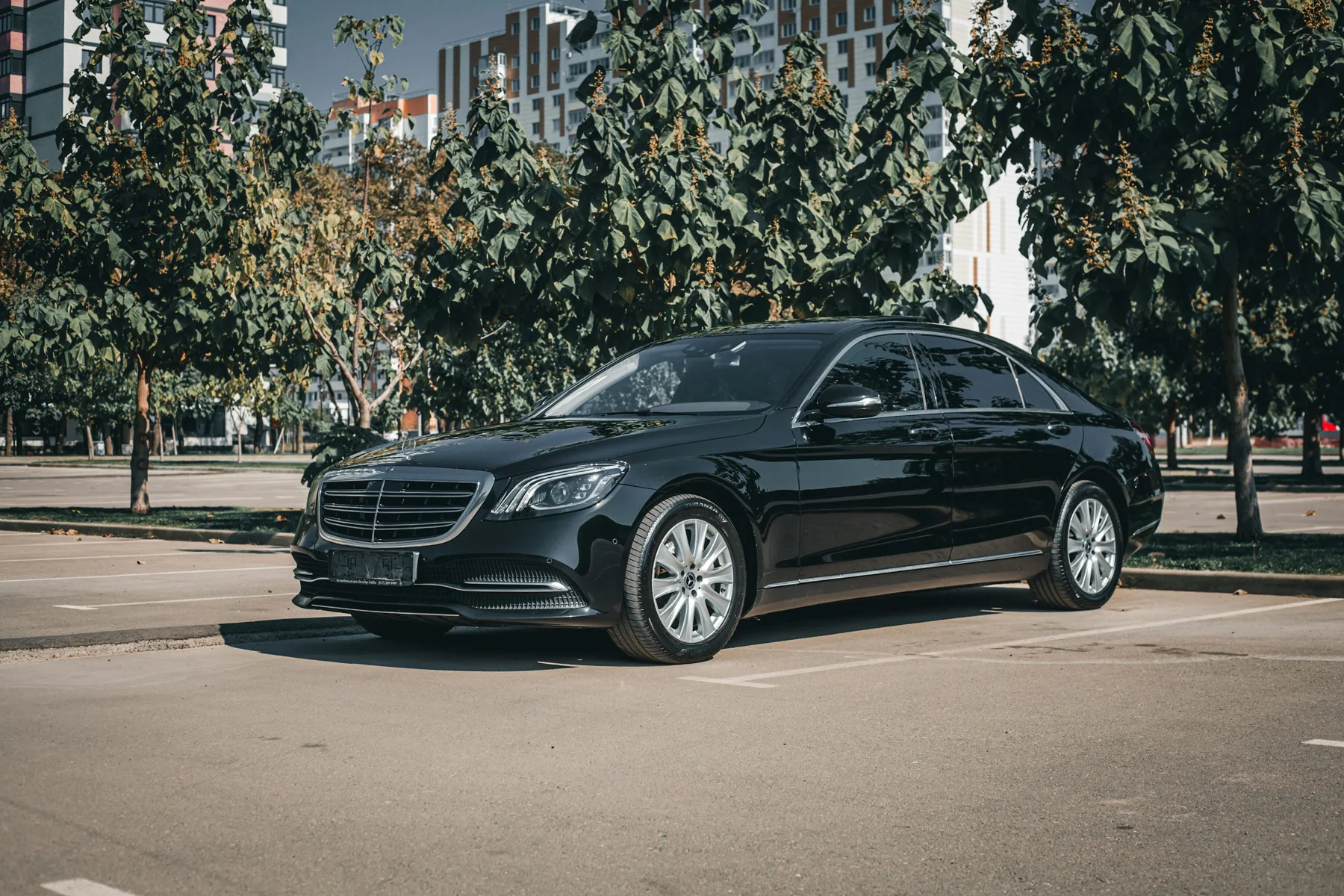
A client-visit day can unravel when an itinerary says only “Central” or assumes a vehicle will wait. A useful multi-stop transport brief identifies entrances, passengers, meeting duration and what happens if the plan changes.
Penguin Business Service coordinates car, limousine and coach booking enquiries around an itinerary. Vehicle details, availability, waiting time, extra stops and supplier terms must be confirmed for each enquiry. The transport service page sets out what to include when asking for a quotation.
Map the day stop by stop
Give every pickup and destination a usable address, building name and entrance or meeting point. A large development, hotel or office complex may have several possible approaches; a precise drop-off instruction helps the driver and passenger agree where the journey ends. For a site with access controls, note any instructions the organiser has already confirmed. Do not assume a vehicle can stop at the nearest door.
Sequence appointments by planned start and finish, then allow time to leave the building and reach the next pickup. This is a planning allowance, not a travel-time promise: road conditions and overruns can disrupt the sequence. Leave breathing space around priority appointments and identify which later stop could move.
An airport leg needs its own clear instructions. Hong Kong International Airport lists several ways to travel to and from the airport, including the Airport Express, public buses, taxis and other transport options; select and confirm the intended option rather than leaving “airport transfer” undefined. Check the airport’s current transport overview for official passenger information.
Decide what happens between visits
A vehicle retained during a client meeting is not the same arrangement as separate point-to-point journeys. If you want the vehicle to wait, specify the expected interval and whether the itinerary may include a longer meeting or meal. Ask how waiting is handled and what the quoted scope includes. If you prefer separate transfers, provide the next pickup time and exact point, and agree how the passenger will contact the transport coordinator if the meeting runs late. The arrangement and any charges depend on the supplier’s confirmed terms; do not treat waiting as automatically included.
For groups, state passenger numbers on each leg, plus luggage, bulky materials and assistance requests. Mark where people split off or join later. Penguin’s transport enquiry guidance asks for the route, passenger count and luggage requirements.
A practical itinerary brief
Before requesting a booking, prepare one concise message with:
- Date and sequence: each leg in order, with planned pickup and appointment times.
- Exact points: full destination details, entrance or meeting point, and a named contact for each pickup.
- People and items: passenger numbers by leg, luggage, equipment and any assistance requests.
- Waiting plan: whether you are requesting a vehicle to remain, or separate transfers, and the likely meeting duration.
- Flexibility: the priority appointment, which stop may shift, and who can approve an itinerary change.
- Confirmation questions: vehicle arrangement, inclusions, waiting and additional-stop terms, contact method and how changes affect the quotation.
Share changes through the agreed contact channel with the new stop, time and passenger count. Confirm who notifies the driver and whether the change can be accommodated. One person should consolidate updates to avoid conflicting instructions.
Common questions
Should I book one vehicle for the whole day?
Not automatically. Compare the itinerary and expected gaps with the confirmed terms for a vehicle on standby against separate point-to-point bookings. Ask for the scope and quotation for the option that matches your actual waiting needs.
How much time should I allow between meetings?
There is no single reliable buffer for every route or day. Consider the exact pickup location, the walk from the meeting room, likely road conditions and how costly a late arrival would be. Confirm any timing assumptions with the transport supplier and leave room to adjust the sequence.
What if a client meeting runs over?
Contact the agreed coordinator as soon as you know, give the revised pickup time and confirm the next destination. Whether the vehicle can wait or the later stops can be changed depends on the supplier’s availability and terms.
For a tailored enquiry, message Penguin Business Service on WhatsApp with your itinerary, passenger count and luggage requirements. This is an enquiry; arrangements are subject to confirmation.