
Penguin editorial / 2026-09-24
A big impression doesn’t need a complicated event
A practical starting point for your next launch, workshop or business gathering.
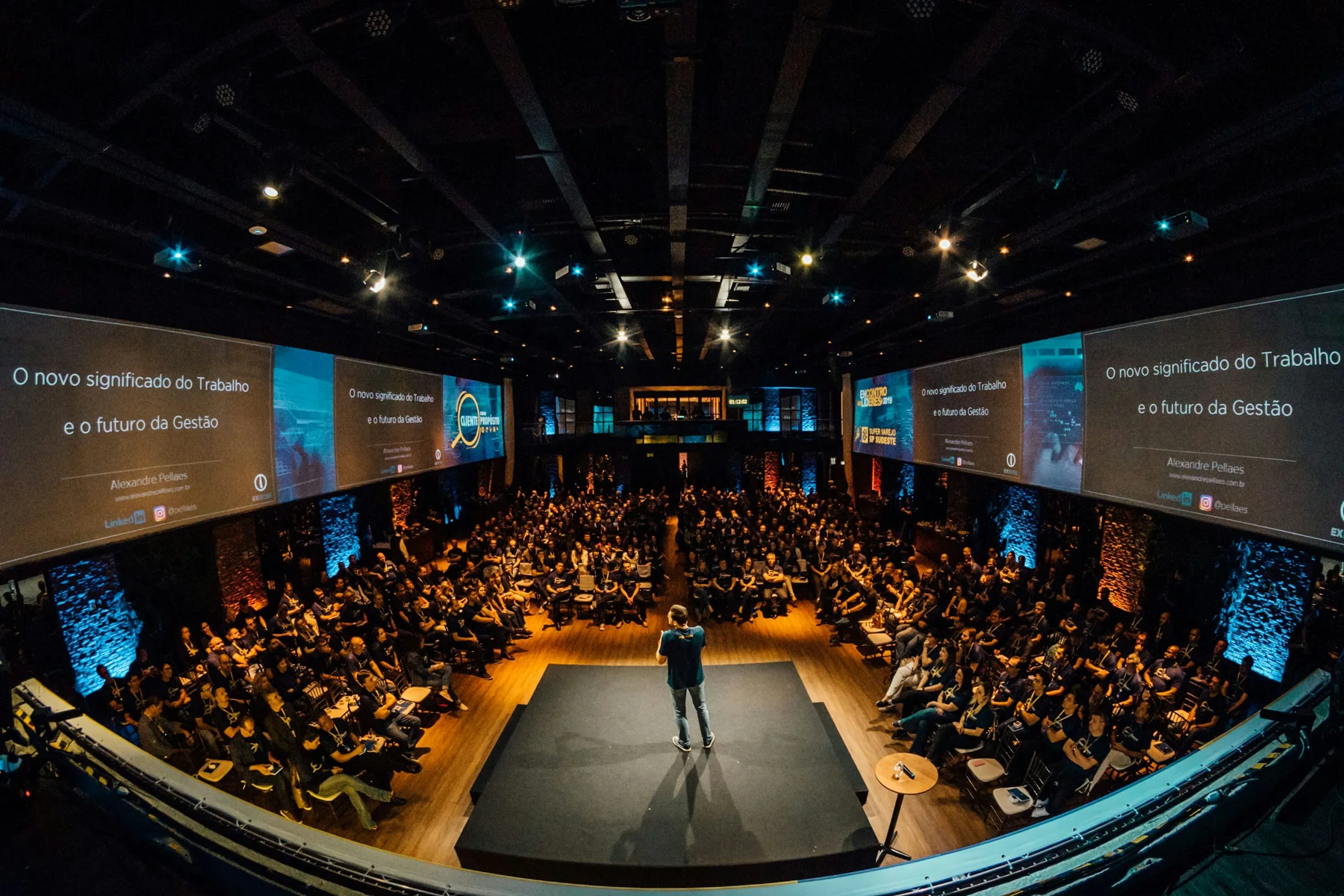
For a small business, an event is a meaningful investment of time and attention. You do not need to begin with a complicated production. Begin with a clear reason to bring people together, then build the experience around it.
Define one useful outcome
Ask what success looks like after the event. Are you introducing a product, building relationships, training a team or sharing an idea? A clear objective helps you decide who should attend, what the programme needs and where your budget will make the biggest difference.
Keep the audience specific. A focused gathering can be more useful than a larger event with an unclear purpose. Write a short description of the intended guests and what you want them to take away.
Give the programme room to breathe
Sketch the event from arrival to departure. Include registration, presentations, breaks, networking and any transitions between spaces. Then add the less visible work: supplier access, setup, rehearsals and pack-down.
A running order should make responsibilities clear. Who welcomes guests? Who cues the speaker? Who decides whether to adjust the timing? Even a modest event benefits from one agreed plan.
Make production serve the message
Stage, sound, lighting and screens should help guests follow the event. Start with what the audience needs to see and hear. Confirm the venue’s existing facilities before adding external equipment. Ask who is responsible for installation, testing and operation.
For photography and videography, discuss the intended use before the day. A short social clip, an internal record and a polished event film require different coverage and editing.
- Agree the key people and moments to capture.
- Confirm the deliverable formats and expected delivery dates.
- Clarify editing rounds and any usage restrictions.
- Plan appropriate guest notices and permissions for filming.
Keep the scope and budget visible
Separate must-haves from optional extras. Ask for a quotation that clearly identifies management, venue, production and creative deliverables. Confirm supplier responsibilities, payment dates, cancellation arrangements and the process for approving changes.
Do not assume that one supplier’s quote includes every part of the event. A shared scope is the best way to identify gaps before they become urgent.
Prepare a brief, not a perfect plan
To start a useful conversation, share the event objective, preferred date, estimated attendance, venue status and budget range. Add the services you need: management, stage coordination, photography, videography or a combination. If some details are undecided, mark them as open questions.
Supporting details matter too. Your meeting space requirements and group transport plan should connect to the same schedule. A thoughtful brief makes it easier to create a coherent experience, without adding complexity for its own sake.